


How to Choose the Right Toothbrush and Toothpaste for Your Smile

Choosing the right toothbrush and toothpaste is crucial for maintaining a healthy smile. With so many options available, it can be overwhelming to find the products that best meet your needs. This guide will walk you through the process of selecting oral care products tailored to your unique requirements.
Understanding Your Oral Health Needs
Before choosing a toothbrush and toothpaste, it's important to assess your oral health needs. Do you have sensitive teeth? Are you prone to cavities? Knowing your specific issues can help you make more informed choices.
For instance, individuals with sensitive teeth may benefit from a soft-bristled toothbrush to avoid irritation. Additionally, toothpaste formulated for sensitivity can provide relief without compromising oral health. According to the American Dental Association, 75 percent of adults experience some form of dental sensitivity. Understanding your needs is the first step in your journey to effective oral care.

The Importance of a Good Toothbrush
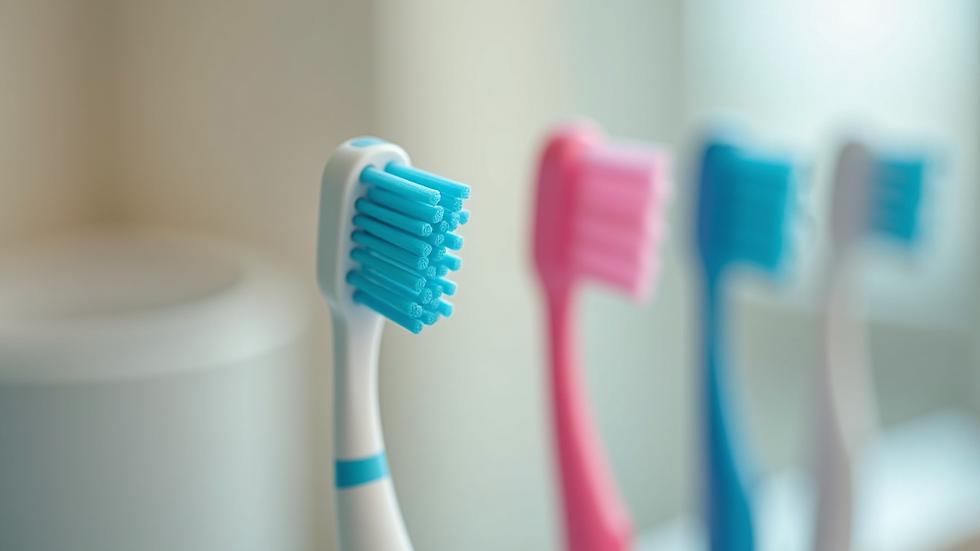
Not all toothbrushes are created equal. Here are the key factors to consider when selecting the right toothbrush for your dental routine:
1. Bristle Type
Toothbrushes come with soft, medium, and hard bristles. The American Dental Association recommends using a soft-bristled toothbrush, as it effectively removes plaque without damaging the gums.
2. Size and Shape
Toothbrushes also come in various sizes to accommodate adult and children's mouths. A toothbrush with a smaller head can reach difficult areas, like the back molars, more easily. Choose a handle that feels comfortable and allows you to maintain control while brushing.
3. Manual vs. Electric
Electric toothbrushes can be particularly effective at reducing plaque and gingivitis. The oscillating motion can clean teeth more thoroughly than manual brushing. However, both options can work well if used correctly, so choose one that suits your personal preferences and needs.
Choosing the Right Toothpaste
With toothbrushes addressed, let’s dive into toothpaste. Selecting the right toothpaste can significantly impact your overall oral health. Here’s what to keep in mind:
1. Fluoride Content
Most dental professionals recommend fluoride toothpaste. Fluoride helps to remineralize enamel and strengthen teeth while preventing decay. If you are unsure about your fluoride intake, consult your dentist for personalized advice.
2. Specialty Toothpastes
Depending on your dental concerns, you might need specialty toothpaste. Options include:
Sensitivity toothpaste: For individuals with sensitive teeth.
Whitening toothpaste: For those looking to brighten their smile.
Tartar control: Useful if you are prone to tartar buildup.
Make sure to choose a toothpaste that addresses your specific needs while being gentle on your oral health.

Reading Labels and Ingredients
When selecting toothbrushes and toothpaste, reading the labels is crucial. Look for the American Dental Association Seal of Acceptance on toothpaste tubes. This seal indicates that the product has been rigorously tested for safety and effectiveness.
In toothpaste, watch for the inclusion of specific active ingredients. Common ingredients include:
Sodium fluoride: For cavity prevention.
Potassium nitrate: For reducing sensitivity.
Hydrogen peroxide: Often found in whitening toothpastes.
Being informed about the ingredients in your oral care products ensures you are making the right choices for your health.
Tips for Maintaining Your Oral Hygiene Routine
Using the right toothbrush and toothpaste is just the beginning. Here are some tips to help you maintain an effective oral hygiene routine:
1. Replace Your Toothbrush Regularly
It's essential to replace your toothbrush every 3 to 4 months, or sooner if the bristles become frayed. A worn-out toothbrush is less effective at cleaning your teeth.
2. Proper Brushing Technique
Regardless of which toothbrush you choose, proper brushing technique is vital. Hold the brush at a 45-degree angle to your gums and use gentle, circular motions. Aim for at least two minutes of brushing twice a day.
3. Don’t Forget Dental Floss
Utilizing dental floss daily helps remove food particles and plaque between your teeth where toothbrushes can’t reach. This is an essential step in preventing cavities and gum disease.
4. Schedule Regular Check-ups
Regular dental check-ups allow for professional cleaning and early detection of dental issues. Your dentist can also provide personalized recommendations on oral care products, ensuring that you choose the best options for your health.
By following these actionable tips, you can boost your oral health and maintain a confident smile.
Maintaining a Personalized Oral Care Routine
Ultimately, the best toothbrush and toothpaste for you depends on your unique dental needs. Consult with your dentist for recommendations tailored to your specific situation. Whether you are battling sensitivity or seeking an attractive whitening solution, there are plenty of options to explore.
Choosing the right products may take some time, but understanding your individual needs will guide you in the right direction. Subsequently, adopting good oral care habits will amplify the benefits you receive from your chosen toothbrush and toothpaste.
By making informed decisions, you set yourself up for an effective oral health routine that ensures your smile stays bright and healthy for years to come.
Invest in Your Smile Today
Investing time in selecting the right oral care products is essential for the health of your smile. Choosing products aligned with your personal needs will be more beneficial than opting for popular brands or products. Remember, a healthy mouth contributes to overall well-being, so take charge of your oral care routine today!


Comments